
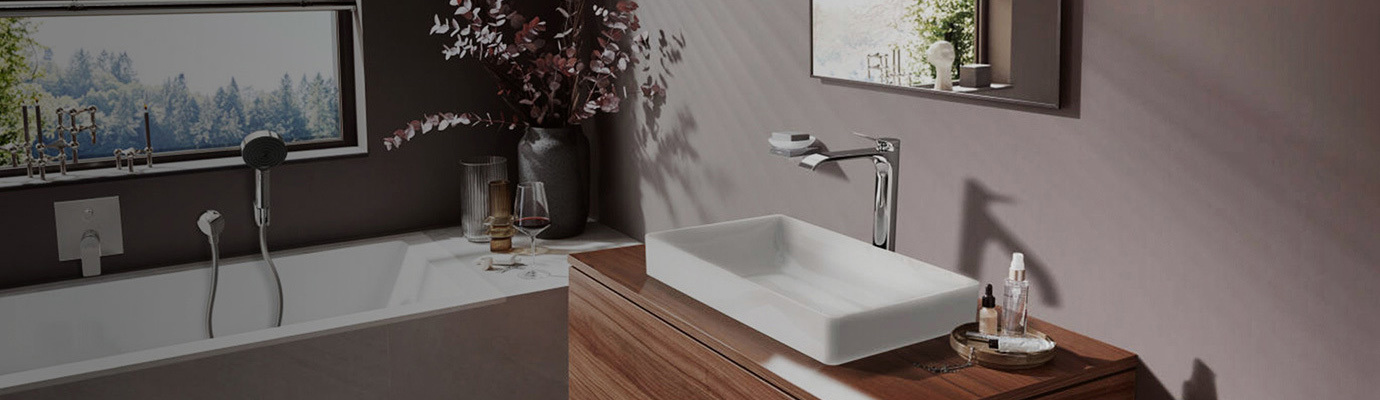
Art Basins Redefine Modern Bathrooms with Design, Craft, and Innovation
Dec 26,2025

In recent years, art basins have emerged as a defining element in contemporary bathroom design, transforming ordinary wash spaces into refined expressions of style and personality. Once viewed purely as functional fixtures, wash basins are now increasingly appreciated as artistic centerpieces that reflect aesthetics, craftsmanship, and modern living values. The growing popularity of art basins highlights a broader trend in interior design, where practicality and visual appeal are seamlessly combined.

Art basins are distinguished by their unique shapes, textures, colors, and materials. Unlike traditional built-in sinks, they are often designed as standalone pieces placed on countertops or vanities, immediately drawing attention. Designers experiment with bold geometric forms, organic curves, and sculptural silhouettes to create basins that function as both utility products and decorative art. This approach allows homeowners, hotels, and commercial spaces to customize bathrooms with a strong sense of identity and individuality.
Material innovation plays a crucial role in the evolution of art basins. Ceramic remains a popular choice due to its durability, smooth finish, and ease of maintenance, but modern art basins also incorporate materials such as tempered glass, natural stone, resin, concrete, stainless steel, and composite materials. Each material brings its own visual character and tactile experience. Stone basins convey luxury and natural elegance, glass basins offer transparency and lightness, while resin and composite materials allow greater flexibility in color and form.

Craftsmanship is another defining feature of art basins. Many high-end products are handmade or finished with specialized techniques such as glazing, carving, polishing, or digital printing. Hand-painted patterns, marble-like textures, and custom finishes add depth and uniqueness, ensuring that no two basins are exactly the same. This emphasis on craftsmanship appeals to consumers seeking exclusivity and quality, particularly in premium residential and hospitality projects.
The rise of art basins is closely linked to changing lifestyle preferences. Modern consumers increasingly view bathrooms as personal spaces for relaxation and self-care rather than purely functional areas. As a result, greater attention is paid to design details, ambiance, and comfort. An art basin becomes a focal point that enhances the overall atmosphere, complementing mirrors, lighting, faucets, and surrounding décor. This shift has encouraged architects and interior designers to integrate art basins into holistic bathroom concepts.
Sustainability has also become an important consideration in the art basin market. Manufacturers are adopting eco-friendly production methods, water-saving designs, and recyclable materials to meet environmental standards and consumer expectations. Some art basins are designed to optimize water flow and reduce splashing, contributing to more efficient water usage without compromising functionality. These efforts align with global trends toward sustainable building and responsible consumption.
In commercial applications, art basins are increasingly used in hotels, restaurants, shopping centers, and office buildings to create memorable user experiences. A visually striking wash basin can leave a lasting impression on guests and visitors, reinforcing brand image and design quality. In luxury hotels and high-end restaurants, art basins often serve as subtle statements of elegance and attention to detail, elevating the overall perception of the space.
Technological advancements have further expanded the possibilities for art basin design. Precision molding, advanced glazing techniques, and digital design tools enable manufacturers to achieve complex shapes and consistent quality at scale. Customization options allow clients to select sizes, colors, patterns, and finishes to match specific project requirements. This combination of technology and creativity supports both mass production and bespoke design solutions.
Looking ahead, the art basin market is expected to continue growing as design-driven consumption increases worldwide. With ongoing innovation in materials, sustainability, and customization, art basins will remain at the forefront of bathroom design trends. They represent a shift in how everyday products are perceived—not merely as functional necessities, but as meaningful design elements that enhance living and commercial environments.
In conclusion, art basins symbolize the convergence of art, functionality, and modern lifestyle values. By combining innovative design, quality materials, and skilled craftsmanship, they redefine the role of wash basins in contemporary interiors. As consumers and designers seek greater expression and refinement in living spaces, art basins will continue to shape the future of bathroom aesthetics and design excellence.

Contact Us
Tangshan JlSHUN ceramics co.,Ltd
Office: 0086-315-5787060
WhatsApp: (0086)13931542898
E-mail: fengyue@fame-ceramic.com
Website: www.fame-sanitaryware.com

Request Quote
We will contact you within one working day. Please pay attention to your email.