
Hand Wash Basin Market Accelerates as Hygiene Standards Rise Worldwide
Dec 12,2025

As global awareness of hygiene and personal health continues to grow, the demand for high-quality hand wash basins is experiencing a notable rise across residential, commercial, and public facilities. Once considered a simple sanitary fixture, the hand wash basin has evolved into a multifunctional product that integrates design aesthetics, user comfort, water efficiency, and smart technology. This shift reflects changes in consumer expectations and broader public health priorities, especially following recent global health events that intensified the importance of proper and accessible handwashing facilities.

Manufacturers are now focusing on developing wash basins that not only facilitate hygiene but also enhance the overall user experience. Modern hand wash basins come in a wide range of materials—such as ceramic, stainless steel, composite stone, resin, and tempered glass—each offering different advantages in terms of durability, aesthetics, and ease of maintenance. Ceramic basins remain the most popular due to their smooth finish, stain resistance, and long-lasting quality, while stainless steel models are increasingly chosen for commercial kitchens, hospitals, and industrial settings where sanitation standards are exceptionally high.
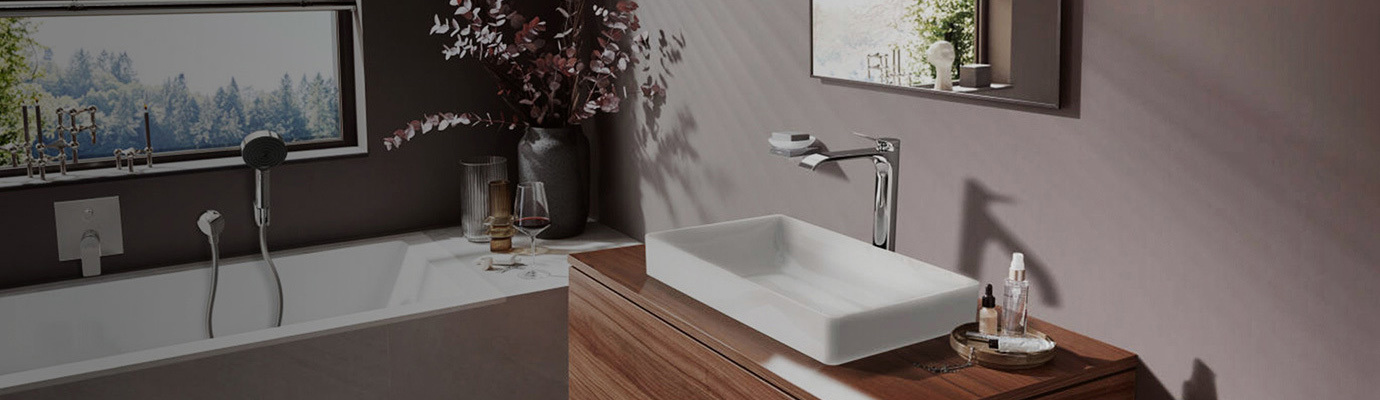
The design evolution of hand wash basins has also been remarkable. Wall-mounted basins, countertop basins, under-mount styles, and integrated cabinet systems provide diverse options for interior designers and homeowners. With contemporary tastes leaning toward minimalism and functional beauty, slim-edge basins, rectangular bowls, and matte-finish designs have gained significant popularity. In luxury hotels and high-end residences, artistic wash basins featuring bold shapes, textured finishes, or handcrafted patterns are being used as focal points in modern bathrooms.

Water conservation has become another key factor driving innovation in the basin industry. Manufacturers are integrating efficient drainage systems, splash-resistant geometries, and faucet compatibility that minimizes water use while maintaining a pleasant washing experience. Some advanced concepts now include sensor faucets, automatic temperature control, and antimicrobial coatings that reduce bacterial growth on the basin surface. These smart enhancements are especially valuable in public restrooms, airports, schools, and hospitals where high-frequency handwashing requires both durability and hygiene assurance.
At the same time, urbanization and infrastructure development in Asia, the Middle East, and Africa are creating new opportunities for the hand wash basin market. As governments invest in upgraded public facilities and sanitation programs, the installation rate of modern wash basins in schools, transportation hubs, and community centers continues to rise. Affordable and easy-to-install models are particularly favored in developing regions where providing accessible hygiene solutions remains a top priority.

In commercial sectors, such as shopping malls, restaurants, office buildings, and hotels, the emphasis on customer experience has led to an increased focus on restroom aesthetics, which in turn boosts demand for stylish yet functional basins. Many businesses are opting for custom designs that align with brand image or architectural themes, illustrating how a once-basic fixture is now considered an important part of a facility’s overall appeal.
Sustainability is further shaping the basin industry’s future, with producers adopting eco-friendly materials, lead-free glazes, and recyclable components. These efforts cater to environmentally conscious consumers and support global initiatives aimed at reducing the ecological footprint of building materials. Manufacturers are also improving production efficiency to minimize waste, reduce energy consumption, and ensure consistent quality across mass-produced as well as custom-made wash basins.

Looking ahead, experts predict that digital manufacturing techniques—such as 3D molding, CNC shaping, and precision casting—will play an increasingly important role in basin production. These technologies enable greater design flexibility, faster prototyping, and improved structural accuracy, all while supporting the creation of lighter, stronger, and more refined products.
As hygiene awareness continues to strengthen worldwide, the hand wash basin industry is positioned for steady and long-term growth. From sophisticated smart basins to simple, practical units designed for everyday use, the market now offers a wide array of options suited to different cultural, architectural, and budgetary needs. Whether in homes, public spaces, or commercial environments, the humble hand wash basin has evolved into an essential element of modern sanitation, contributing not only to cleanliness but also to comfort, design expression, and public health.

Contact Us
Tangshan JlSHUN ceramics co.,Ltd
Office: 0086-315-5787060
WhatsApp: (0086)13931542898
E-mail: fengyue@fame-ceramic.com
Website: www.fame-sanitaryware.com

Request Quote
We will contact you within one working day. Please pay attention to your email.