
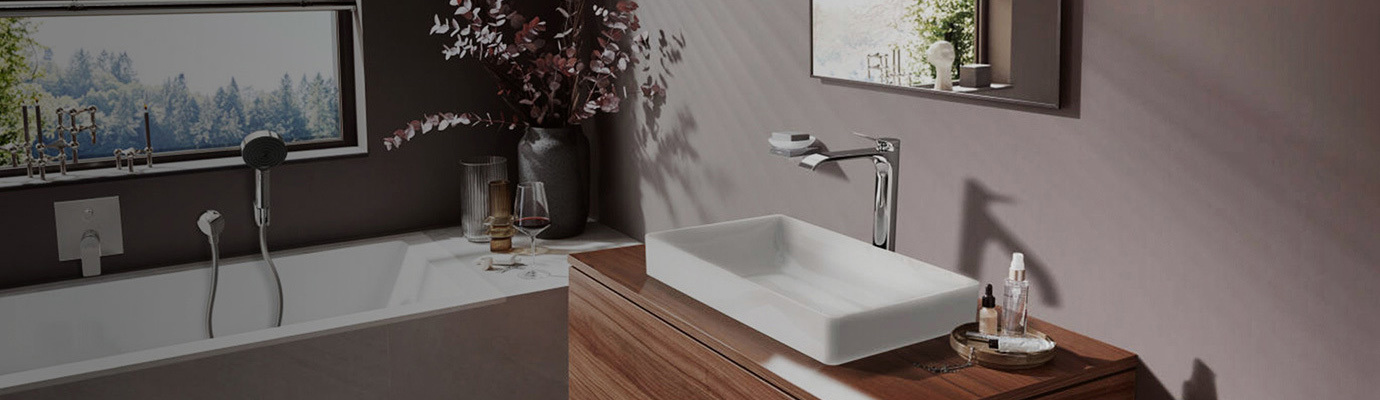
Resin Basin: A Modern Innovation Transforming Bathroom Design and Functionality
Feb 13,2026

Introduction: The Rise of Contemporary Bathroom Materials
In recent years, bathroom design has evolved from purely functional spaces into personalized environments that reflect lifestyle, taste, and technological advancement. Among the many materials reshaping this transformation, resin basins have emerged as a popular and innovative choice. Combining aesthetic versatility with durability and practical performance, resin basins are increasingly favored in residential, commercial, and hospitality projects worldwide.
Unlike traditional ceramic or porcelain sinks, resin basins are manufactured using advanced composite materials that blend natural minerals with synthetic resins. This combination results in a smooth, solid surface that offers flexibility in design while maintaining strength and resilience. As modern architecture embraces minimalism and customization, resin basins have become a symbol of contemporary bathroom solutions.
Material Composition and Manufacturing Technology
Resin basins are typically produced from a mixture of stone powder, quartz, or marble particles combined with high-performance resin binders. The mixture is poured into precision molds and cured under controlled conditions to achieve a seamless and non-porous surface. After curing, the basin undergoes polishing, coating, and finishing processes to enhance texture and durability.
One of the key technological advantages of resin materials is moldability. Unlike ceramic products that require high-temperature kiln firing, resin basins can be shaped into complex geometries, ultra-thin edges, and integrated countertop designs. This flexibility allows designers to create unique shapes such as oval, square, asymmetrical, or wall-mounted styles.
Advanced surface treatments also provide resistance to scratches, stains, and UV discoloration. Many high-quality resin basins feature antibacterial coatings that improve hygiene and reduce maintenance requirements.
Design Versatility and Aesthetic Appeal
Resin basins are widely recognized for their elegant and customizable appearance. Available in matte, glossy, textured, or stone-like finishes, they complement a wide range of interior styles—from minimalist Scandinavian themes to luxurious hotel-inspired bathrooms.
Color customization is another significant advantage. While traditional ceramic basins are typically limited to white or neutral tones, resin basins can be manufactured in various colors, including black, grey, beige, or even customized shades to match specific design concepts.
Seamless integration with countertops is a major trend in modern bathroom design. Resin materials allow integrated sink-and-countertop combinations, eliminating visible joints and creating a clean, streamlined look. This design not only enhances visual appeal but also improves water resistance and ease of cleaning.
Durability and Practical Performance
Beyond aesthetics, resin basins offer strong durability. Their solid-surface structure provides impact resistance and reduces the risk of cracking compared with traditional ceramic sinks. The non-porous surface prevents water absorption and resists mold growth, making it suitable for humid bathroom environments.
Maintenance is relatively simple. Minor scratches can often be polished out, restoring the original appearance. The smooth surface prevents dirt accumulation, and regular cleaning with mild detergents is sufficient to maintain hygiene and shine.
In addition, resin basins are lighter in weight than natural stone products, simplifying transportation and installation while maintaining a premium appearance.
Environmental Considerations and Sustainability
As environmental awareness grows, manufacturers are increasingly focusing on sustainable production practices. Many resin basins incorporate recycled materials, reducing waste and conserving natural resources.
Energy consumption during manufacturing is generally lower compared to high-temperature ceramic firing processes. Furthermore, durable design extends product lifespan, reducing the need for frequent replacement and contributing to sustainable building strategies.
Some advanced resin formulations are also low in volatile organic compounds (VOCs), supporting healthier indoor air quality standards in residential and commercial buildings.
Applications Across Residential and Commercial Spaces
Resin basins are widely used in private homes, apartments, hotels, office buildings, shopping centers, and public facilities. In residential settings, homeowners appreciate the combination of style and practicality. In luxury hotels and high-end commercial spaces, resin basins contribute to distinctive interior branding and modern aesthetics.
Their adaptability makes them suitable for wall-mounted installations, countertop placements, and integrated vanity systems. Designers often select resin basins for boutique projects where customization and visual impact are priorities.
Market Trends and Future Outlook
The global demand for resin bathroom products continues to grow, driven by urbanization, renovation projects, and the expansion of hospitality infrastructure. Consumers increasingly seek personalized and durable bathroom solutions, reinforcing the popularity of resin basins.
Future developments are expected to include improved scratch-resistant coatings, enhanced antibacterial properties, and smart integration with touchless faucets and sensor systems. Technological innovation will further refine material performance and sustainability.
In conclusion, resin basins represent a significant advancement in bathroom design and manufacturing. By combining flexibility, durability, aesthetic appeal, and environmental awareness, they meet the evolving needs of modern architecture and interior design. As trends continue to emphasize customization and quality, resin basins are poised to remain a leading choice in the global sanitary ware market.

Contact Us
Tangshan JlSHUN ceramics co.,Ltd
Office: 0086-315-5787060
WhatsApp: (0086)13931542898
E-mail: fengyue@fame-ceramic.com
Website: www.fame-sanitaryware.com

Request Quote
We will contact you within one working day. Please pay attention to your email.