
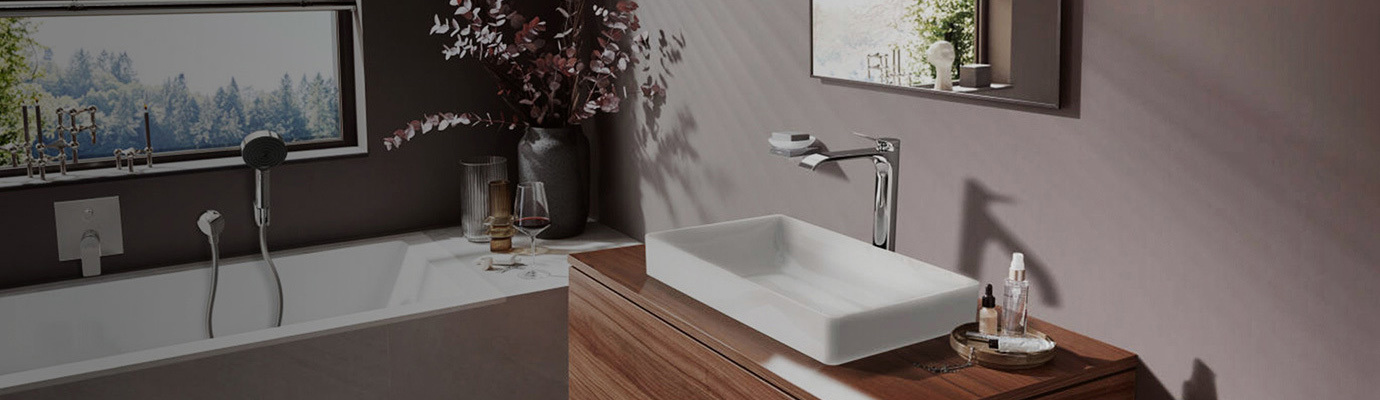
Basins Gain Popularity in Modern Bathroom Design
Mar 13,2026

In recent years, the global bathroom fixtures industry has witnessed significant innovation as consumers demand products that combine aesthetics, durability, and practicality. Among the various materials used in contemporary bathroom design, resin basins have emerged as a popular choice for both residential and commercial spaces. Known for their smooth finish, design flexibility, and long-lasting performance, resin basins are becoming increasingly common in modern bathrooms around the world.

A resin basin is typically manufactured using a combination of synthetic resin materials and mineral fillers, which are molded into various shapes and sizes. This manufacturing process allows designers to create basins with unique forms, seamless surfaces, and modern appearances that are difficult to achieve with traditional materials such as ceramic or porcelain. As a result, resin basins have become an attractive option for architects, interior designers, and homeowners who seek stylish and innovative bathroom solutions.
One of the main advantages of resin basins is their versatility in design. Unlike traditional ceramic basins that are limited by manufacturing molds and firing processes, resin materials can be shaped into a wide variety of forms. This flexibility allows manufacturers to produce basins with thin edges, integrated countertops, and artistic shapes. From minimalist rectangular designs to elegant oval or sculptural styles, resin basins can easily complement different bathroom aesthetics.
Another key benefit of resin basins is their smooth and seamless surface. The material can be polished to create a matte or glossy finish that feels comfortable to the touch. Because the surface is non-porous, it helps prevent the accumulation of dirt, soap residue, and bacteria. This characteristic makes resin basins easy to clean and maintain, which is particularly important for both residential bathrooms and high-traffic public facilities.
Durability is another factor contributing to the growing popularity of resin basins. High-quality resin materials are resistant to cracks, stains, and impact damage. Compared with ceramic basins, which can chip or break if struck by heavy objects, resin basins often demonstrate better resistance to daily wear and tear. This durability ensures that the basin maintains its appearance and functionality for many years.
Lightweight construction is another practical advantage of resin basins. Because resin materials are lighter than traditional ceramic or stone, installation becomes easier and more flexible. This can reduce transportation costs and simplify installation processes in both new construction and renovation projects. In addition, the lighter weight makes resin basins suitable for wall-mounted or floating vanity designs, which are increasingly popular in modern bathroom layouts.
Environmental considerations are also influencing the development of resin basin technology. Many manufacturers are exploring ways to produce resin basins using environmentally friendly materials and sustainable manufacturing processes. Some modern resin composites incorporate recycled minerals or low-emission production techniques, helping reduce environmental impact while maintaining product performance.
The hospitality industry has also played a significant role in the adoption of resin basins. Hotels, resorts, and luxury apartments often require bathroom fixtures that are both visually appealing and durable enough to withstand frequent use. Resin basins offer a balance between elegant design and practical performance, making them a preferred choice for many commercial projects.
In addition to aesthetics and durability, resin basins offer excellent color and finish options. Manufacturers can produce basins in a wide range of colors, textures, and surface treatments. Matte white finishes remain popular for minimalist interiors, while darker tones and stone-like textures are increasingly used in contemporary luxury bathroom designs. This variety allows designers to create unique and personalized bathroom spaces.
Technological advancements in resin molding and surface treatment have further improved the quality of resin basins. Modern manufacturing techniques allow for precise shaping, consistent thickness, and improved resistance to heat and chemicals. These improvements ensure that resin basins can meet the performance requirements of both residential and commercial environments.

Contact Us
Tangshan JlSHUN ceramics co.,Ltd
Office: 0086-315-5787060
WhatsApp: (0086)13931542898
E-mail: fengyue@fame-ceramic.com
Website: www.fame-sanitaryware.com

Request Quote
We will contact you within one working day. Please pay attention to your email.