
Growing Use of Corian Basins in Modern Interior and Commercial Washroom Design
Apr 09,2026

In recent years, solid surface materials have gradually become more common in both residential and commercial interior projects, especially in areas where durability and visual consistency are important. Among these applications, the corian basin has gained steady attention from architects and interior designers who are looking for alternatives to traditional ceramic or stone sinks.
A corian basin is typically manufactured from a solid surface material that is known for its non-porous structure and seamless appearance. Unlike conventional basins that rely on glazing or surface coatings, this type of material is formed in a way that allows joints and edges to be integrated smoothly. In practical installation, this results in a continuous surface that is easier to clean and maintain, particularly in environments where hygiene standards are important.
In commercial projects such as hotels, office buildings, and healthcare facilities, washroom design is no longer treated as a purely functional space. It has become part of the overall user experience. Designers often choose corian basins because they can be shaped into a wide range of forms, including integrated countertop systems where the sink and surface are molded as one unit. This reduces visible seams and helps create a more unified interior appearance.
Maintenance requirements also play a role in material selection. In high-traffic areas, traditional ceramic basins may show signs of wear over time, especially around joints and edges. Solid surface materials used in corian basins can often be repaired or refinished on-site, which extends their service life in commercial environments. This characteristic is particularly relevant for facilities that aim to reduce long-term replacement costs and minimize downtime during renovation.
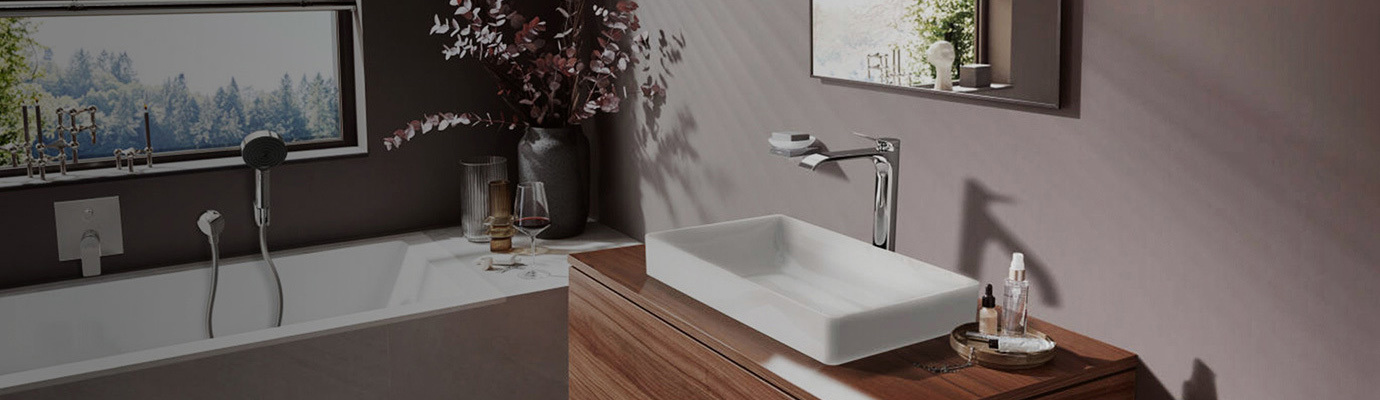
In residential applications, the trend is slightly different but follows a similar direction. Homeowners are increasingly interested in bathroom designs that feel more continuous and less segmented. A corian basin can be integrated into vanity tops in a way that avoids sharp transitions between sink and surface. This makes daily cleaning more straightforward and supports a cleaner visual layout, especially in compact bathrooms where space is limited.
Another factor contributing to its use is design flexibility. Solid surface materials can be thermoformed into curved or angular shapes, allowing designers to move beyond standard rectangular sink formats. This flexibility is often used in modern minimalist interiors where form and function are expected to work together without visual interruption.
From a manufacturing perspective, production of corian basins generally involves casting and precision finishing rather than traditional ceramic firing processes. This allows for more controlled shaping and consistency across different batches. It also enables customization in size and configuration, which is often required in commercial fit-out projects where standard dimensions may not be suitable.
While the material is not new, its application continues to expand as building standards and design expectations evolve. In many recent projects, corian basins are specified not only for aesthetic reasons but also for practical considerations such as hygiene, repairability, and integration with surrounding surfaces.

Contact Us
Tangshan JlSHUN ceramics co.,Ltd
Office: 0086-315-5787060
WhatsApp: (0086)13931542898
E-mail: fengyue@fame-ceramic.com
Website: www.fame-sanitaryware.com

Request Quote
We will contact you within one working day. Please pay attention to your email.