
Understanding Wash Basins: A Comprehensive Guide for Industry Professionals
Oct 21,2025

---
Wash basins, often referred to as sinks, are indispensable fixtures in bathrooms and kitchens, serving both functional and aesthetic purposes. In the light consumer goods sector, especially within bathroom accessories, understanding the nuances of wash basins is vital for professionals looking to innovate or enhance their product offerings.
Material Choices
The material used in wash basins significantly impacts both durability and design. Common materials include:
1. Ceramic: Known for its robustness and ease of cleaning, ceramic is a popular choice for wash basins. It can be glazed for a glossy finish, making it visually appealing while being resistant to stains and scratches.
2. Glass: Glass wash basins offer a modern aesthetic and are often used in contemporary bathroom designs. They can be transparent, frosted, or colored, but require careful handling as they can be prone to chipping or cracking.
3. Stainless Steel: Particularly common in commercial settings, stainless steel wash basins are durable and resistant to corrosion. They are easy to maintain but may require regular polishing to avoid tarnishing.
4. Composite Materials: These are blends of various materials, such as resins and minerals, providing the best of both worlds. They are often designed to mimic natural stone while being lighter and more resistant to damage.
Design Options
The design of wash basins has evolved significantly, allowing for greater customization and functionality. Key design types include:
- Undermount Basins: These basins are installed beneath the countertop, providing a seamless look. They are often favored for their clean lines and ease of cleaning.
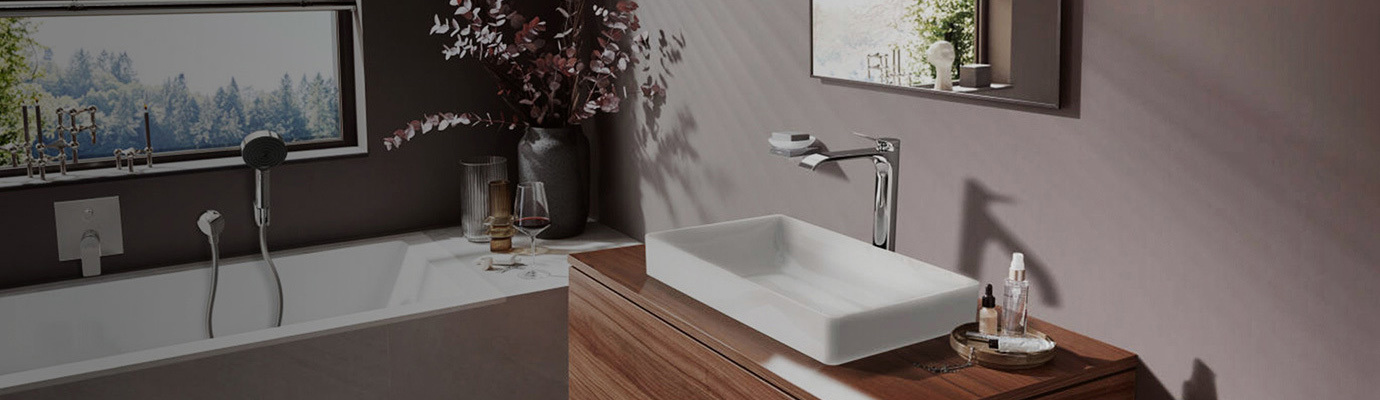
- Vessel Basins: Sitting on top of the counter, vessel basins can be a statement piece in any bathroom. They come in various shapes and sizes, adding a unique touch to the décor.
- Pedestal Basins: These basins consist of a bowl supported by a pedestal, offering a classic look that works well in traditional settings.
Installation Considerations
Proper installation is crucial for the functionality of wash basins. Professionals should consider the following:
- Plumbing Compatibility: Ensure that the chosen basin is compatible with existing plumbing. This includes checking the drain size and the height of the basin relative to the water supply lines.
- Countertop Material: The weight and size of the wash basin can affect the type of countertop material used. For instance, heavier stone basins may require reinforced countertops.
- Height and Accessibility: Consider the ergonomic height of the basin to ensure it is comfortable for users of all ages and abilities.
In conclusion, wash basins are more than just functional objects; they are crucial elements that contribute to the overall design and efficiency of a bathroom. By understanding the various materials, designs, and installation practices, professionals in the light consumer goods industry can better meet consumer needs and elevate their product lines.

Contact Us
Tangshan JlSHUN ceramics co.,Ltd
Office: 0086-315-5787060
WhatsApp: (0086)13931542898
E-mail: fengyue@fame-ceramic.com
Website: www.fame-sanitaryware.com

Request Quote
We will contact you within one working day. Please pay attention to your email.