
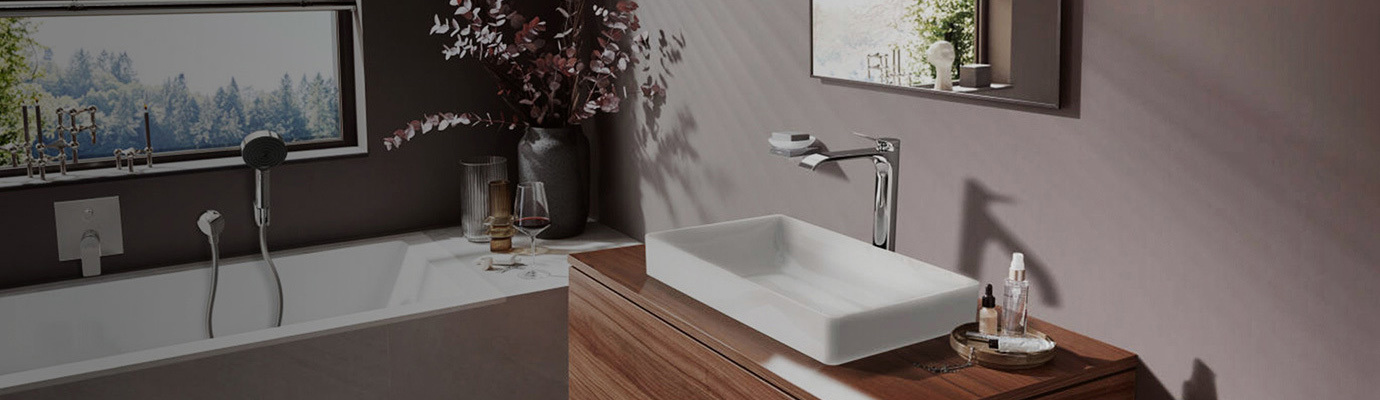
The Ultimate Buying Guide for Slate stone basin: Materials, Craftsmanship, and Bathroom Styling Tips
Jun 05,2026

Slate stone basin—often referred to as "integrated Slate stone basin" or "slate composite basins"—are currently a popular choice in bathroom renovations. They appeal to a wide range of consumers thanks to their unique texture, premium aesthetic, and reputed durability. However, the market is flooded with products of varying quality and confusing terminology; therefore, making an informed purchase requires a comprehensive evaluation ranging from materials and manufacturing processes to overall bathroom coordination.
I. Core Material Analysis: It’s Not Just "Slate stone"
The term "Slate stone basin" primarily encompasses the following material categories, each with distinct characteristics and market positioning:
Pure Sintered Stone Integrated Sink:
Materials: Composed of natural minerals and inorganic clays, manufactured under high temperature and high pressure; essentially classified as a high-grade, thin-format ceramic slab.
Advantages: High hardness, excellent resistance to abrasion and scratching, strong stain resistance (due to a dense, non-porous surface), and striking, aesthetically pleasing textures that exude a modern, "light luxury" vibe.
Core Controversies and Manufacturing Pain Points: Most products on the market labeled as "integrated sinks" are, in reality, constructed from multiple pieces of sintered stone that have been cut and glued together—they are not truly molded as a single, seamless unit. This leads to several inherent flaws: sharp-angled seams can trap dirt and grime, making them difficult to clean; the reliance on adhesives at the joints creates a risk of bond failure, leaks, or even the basin detaching from the base when exposed to a humid environment over time; and the often-flat bottom profile of the basin can result in poor drainage and water splashing issues.
Sintered Stone & Ceramic Seamless Integrated Sink (Recommended):
Materials & Process: This represents the most mature and refined solution currently available on the market, utilizing a specialized manufacturing process to seamlessly bond a sintered stone countertop surface with a ceramic basin body.
Advantages: It combines the high aesthetic appeal and stain resistance of a sintered stone countertop with the advantages of a ceramic basin—namely, its seamless, single-piece construction, ease of cleaning, and ergonomically curved profile (which minimizes splashing). This design effectively eliminates the "hygiene dead zones" (hard-to-clean crevices) often found in pure Slate stone basin constructed from multiple bonded pieces. It is widely regarded by industry experts as the "smart choice" for those seeking the perfect balance between visual appeal and practical functionality.
Ceramic Integrated Sink (The Classic, Practical Choice):
Materials: High-temperature fired ceramic, representing the most mature and established manufacturing technology in the industry.
Advantages: Features a smooth, glazed surface that is exceptionally easy to clean; offers stable, reliable performance; presents no hygiene dead zones; and delivers excellent value for money. It is a time-tested and highly dependable choice, making it an ideal option for the pragmatist. Cons: In terms of styling and texture variety, they typically fall short of sintered stone slabs; stylistically, they tend to lean more towards classic and minimalist aesthetics.


II. Key Craftsmanship and Structural Selection Criteria
Beyond the material itself, it is the fine details of craftsmanship that ultimately determine a product's lifespan and user experience:
1. Basin Craftsmanship:Prioritize products featuring true one-piece molding (such as ceramic basins) or mature, seamless splicing technologies. Strictly avoid so-called "one-piece" sintered stone basins that exhibit obvious straight-edge seams or gaps.
2. Basin Design
Depth and Curvature: The basin should possess sufficient depth (a minimum of 15 cm is recommended) and smooth, flowing curves to prevent splashing. Shallow, flat-bottomed basins are the primary culprits behind water splashing issues.
Drainage Design: Verify that the basin bottom features a slight slope to guide water flow, ensuring smooth drainage and preventing water stagnation.
3. Cabinet Materials
Mainstream Choices: Eco-friendly, multi-layer solid wood panels (often featuring a paint-free finish) dominate the market; they offer excellent moisture resistance and high cost-effectiveness.
Alternative Options: Solid wood with a lacquered finish offers a premium texture but comes at a higher price point and is susceptible to moisture damage; stainless steel or "space aluminum" options are waterproof but offer limited stylistic variety; PVC materials are inexpensive but lack durability.
4. Hardware and Accessories:Hinges, drawer slides, and faucets directly impact the user experience. Prioritize hinges equipped with soft-close mechanisms, and consider pull-down faucets for added convenience during cleaning.


III. Bathroom Space Coordination Guide
1. Style Matching:
Modern / Minimalist / Light Luxury Styles: Sintered stone materials—particularly seamless sintered stone-and-ceramic basins—are the perfect match. Their matte textures and clean, minimalist lines instantly elevate the sense of sophistication within the space. In terms of color, matte gray, off-white, and the "Morandi" color palette are currently very popular.
Nordic / Japanese Styles: Cabinets in natural wood tones, paired with a white one-piece ceramic basin or a light-colored sintered stone basin, create a warm, clean, and inviting atmosphere.
2. Dimensions and Layout:
Measure the width, depth, and specific locations of water supply and drainage outlets in your installation space in advance. Standard cabinet widths typically range from 60 cm to 120 cm.
Suspended (Wall-Mounted) Style: Ideal for bathrooms with wall-mounted drainage systems. This design eliminates hard-to-reach "dead zones" for cleaning, allows for easy passage of robotic vacuums, and creates a visually lighter, more spacious aesthetic—making it an excellent strategy for making smaller bathrooms appear larger.
Floor-standing units: These impose fewer restrictions on drainage methods, typically offer more ample storage space, and present a visually more substantial and grounded appearance.
3. Storage and Mirror Cabinets:
Select a mirror cabinet based on your specific storage requirements. A depth of 12–20 cm is the standard range for mirror cabinets, providing effective storage for skincare products, toothbrushes, and similar items.
Smart mirror cabinets featuring built-in lighting and anti-fog functions can significantly enhance the user experience; however, you must ensure that a power outlet is pre-installed and reserved for this purpose.


When purchasing a slate or rock-slab basin, do not be swayed solely by the material's aesthetic texture or its "high-end" branding. For most households, a seamless, integrated basin—combining rock-slab aesthetics with a ceramic interior—represents the optimal balance between visual appeal and practical functionality. For those prioritizing maximum ease of maintenance and cost-effectiveness, the classic, integrated ceramic basin remains a fail-safe choice. Conversely, if you are considering a basin constructed entirely from spliced rock slabs, be sure to familiarize yourself with the potential drawbacks and proceed with caution. Ultimately, make a rational decision by taking into account your bathroom's specific design style, available dimensions, and daily usage habits.

Contact Us
Tangshan JlSHUN ceramics co.,Ltd
Office: 0086-315-5787060
WhatsApp: (0086)13931542898
E-mail: fengyue@fame-ceramic.com
Website: www.fame-sanitaryware.com

Request Quote
We will contact you within one working day. Please pay attention to your email.